- What Are the Psychological Aspects of Divorce
- Why Does Divorce Cause Emotional Stress
- The Most Common Emotions After Divorce
- Stages of Emotional Recovery After Divorce
- How to Cope With Stress and Anxiety After Divorce
- Depression After Divorce: When Should You Seek Help
- Psychological Effects of Divorce on Children
- How to Explain Divorce to a Child Without Causing Harm
- Co-Parenting After Divorce: Reducing Conflict for Children
- How Men and Women Experience Divorce Differently
- Practical Tips for Starting a New Life After Divorce
- Common Mistakes People Make During Emotional Recovery
- When Is Professional Psychological Support Necessary
- How a Well-Organized Divorce Process Can Reduce Stress
- Step-by-Step Guide: Managing Emotional Recovery After Divorce


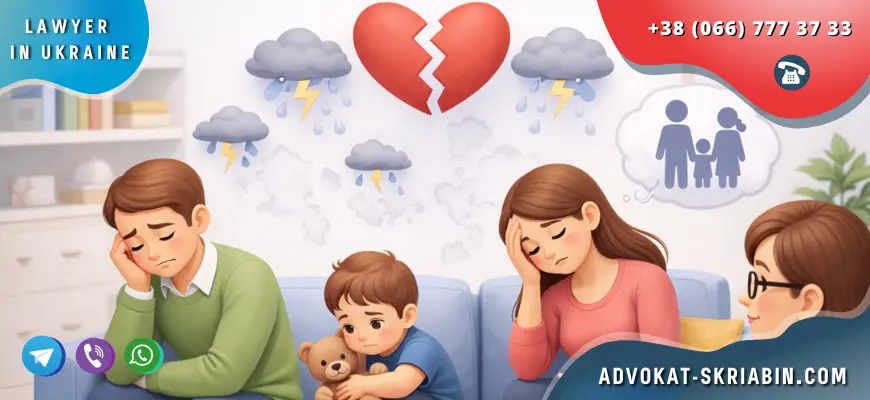
What Are the Psychological Aspects of Divorce
The psychological aspects of divorce include emotional, behavioral, cognitive, and social reactions that occur when a marriage ends. Divorce psychology studies how people process separation, adapt to change, and rebuild their identity after the relationship ends.
Many individuals experience a sense of loss similar to bereavement. Even when divorce is necessary and expected, the mind often needs time to accept that an important chapter of life has closed.
The psychological effects of divorce can influence self-esteem, motivation, relationships with children, work performance, and future romantic relationships. Understanding these reactions helps people avoid unnecessary guilt and approach recovery more effectively.
Why Does Divorce Cause Emotional Stress
Stress after divorce occurs because separation often changes several areas of life simultaneously. A person may face changes in family structure, living arrangements, finances, parenting responsibilities, and future plans.
The human brain naturally seeks stability and predictability. Divorce introduces uncertainty, which activates emotional stress responses. Even individuals who initiated the separation may experience anxiety and emotional exhaustion.
Additional stress may arise from legal proceedings, communication conflicts, social judgment, or concerns about children. When multiple challenges occur at the same time, emotional recovery after divorce may take longer.
The Most Common Emotions After Divorce
People rarely experience only one emotion during separation. Instead, feelings often overlap and change from day to day. Common emotional reactions include sadness, anger, disappointment, fear, loneliness, guilt, confusion, relief, and uncertainty. Some individuals experience intense emotional swings, while others feel emotionally numb.
Divorce psychology shows that emotional reactions are influenced by personality, relationship history, social support, financial circumstances, and the presence of children. No two recovery journeys are identical. Understanding that these emotions are normal can reduce self-criticism and help individuals focus on healing rather than judging their reactions.
Stages of Emotional Recovery After Divorce
Emotional recovery after divorce often follows several recognizable phases, although not everyone experiences them in the same order. Initially, many people experience shock or disbelief. This is followed by intense emotional reactions such as sadness, anger, or anxiety. Over time, individuals begin adapting to their new circumstances and gradually regain emotional stability.
Eventually, acceptance develops. Acceptance does not mean forgetting the past. Instead, it means integrating the experience into one’s life story without being controlled by it. Recovery is rarely linear. Temporary setbacks are normal and should not be interpreted as failure.
How to Cope With Stress and Anxiety After Divorce
Managing stress after divorce requires both emotional and practical strategies. Emotional healing becomes easier when daily routines remain stable. Regular sleep, physical activity, healthy nutrition, and social interaction help regulate stress responses. Small routines create a sense of control during uncertain periods.
It is also important to avoid making major impulsive decisions while emotions are highly intense. Significant financial, legal, or personal decisions should ideally be made after careful consideration. Many people find that counseling, support groups, journaling, mindfulness practices, or structured self-development activities reduce anxiety and support emotional recovery after divorce.
Depression After Divorce: When Should You Seek Help
Depression after divorce is different from temporary sadness. Emotional pain is expected during separation, but prolonged feelings of hopelessness may require professional support. Warning signs may include persistent loss of motivation, withdrawal from social life, difficulty functioning at work, chronic sleep disturbances, overwhelming guilt, or inability to experience positive emotions.
Seeking help is not a sign of weakness. Professional support often helps individuals process emotions more effectively and prevent long-term psychological consequences. Early intervention frequently leads to faster recovery and better long-term emotional health.
Psychological Effects of Divorce on Children
The psychological effects of divorce on children depend less on the divorce itself and more on how parents manage the transition. Children often worry about stability, family relationships, and future changes. They may blame themselves, fear abandonment, or struggle to understand the situation.
When parents maintain respectful communication and provide consistent emotional support, children usually adapt more successfully. Ongoing parental conflict often creates greater emotional harm than the separation itself.
Children benefit from reassurance that both parents continue to love and support them regardless of the marital relationship. This is especially important when parents are going through divorce with children in Ukraine and need to make decisions that affect the child’s daily life, emotional safety, and communication with both parents.
How to Explain Divorce to a Child Without Causing Harm
Parents should explain divorce using age-appropriate language and simple, honest communication. Children generally need reassurance rather than detailed explanations. The conversation should focus on stability, safety, and continued parental love. Children should understand that the divorce is an adult decision and not their responsibility.
Parents should avoid criticizing one another during discussions with children. Negative comments can create loyalty conflicts and increase emotional stress. Repeated conversations are often necessary because children process information gradually and may have new questions over time.
Co-Parenting After Divorce: Reducing Conflict for Children
Successful co-parenting helps protect children from unnecessary emotional pressure. Effective co-parenting focuses on cooperation, consistency, and child-centered decision-making. Parents do not need to be friends to be effective co-parents. They only need to communicate respectfully and prioritize the child’s well-being.
Important parenting decisions should be discussed calmly and objectively whenever possible. Children benefit when expectations remain consistent across both households. Reducing conflict improves children’s emotional security and supports healthier long-term psychological development. If communication becomes difficult, parents may need to agree on a clear child visitation schedule to reduce uncertainty and protect the child from constant conflict.
How Men and Women Experience Divorce Differently
Although every person is unique, research in divorce psychology suggests that men and women sometimes experience different challenges during recovery. Women often report concerns related to parenting responsibilities, emotional processing, and financial adjustment. Men may experience difficulties related to social isolation, emotional expression, or identity changes.
Cultural expectations can also influence recovery experiences. Some individuals feel pressure to appear strong, while others feel pressure to recover quickly. Regardless of gender, emotional recovery after divorce improves when people seek support and maintain healthy coping strategies.
Practical Tips for Starting a New Life After Divorce
Starting a new chapter requires patience and realistic expectations. Rebuilding life after divorce is a gradual process rather than a single event. Focus on establishing stability before pursuing major life changes. Small achievements often create momentum for larger improvements.
Useful practices include developing new routines, strengthening social connections, setting personal goals, learning new skills, and exploring interests that may have been neglected during the marriage. Personal growth frequently emerges from periods of significant life transition when individuals actively engage in the recovery process.
Common Mistakes People Make During Emotional Recovery
One common mistake is expecting recovery to happen immediately. Emotional healing takes time and cannot be rushed. Another mistake involves remaining isolated from supportive friends and family. Social support is one of the strongest predictors of successful adaptation.
Some individuals attempt to suppress emotions entirely, while others become trapped in constant rumination. Neither extreme is usually beneficial. Comparing recovery progress with others can also create unnecessary frustration. Every person’s experience of divorce psychology is different.
When Is Professional Psychological Support Necessary
Professional psychological support may be beneficial when emotional distress interferes with daily functioning, relationships, parenting responsibilities, or work performance. Support can also be valuable during high-conflict divorces, complex co-parenting situations, relocation after separation, or significant life transitions.
Psychologists help individuals understand emotional patterns, develop coping strategies, and process difficult experiences in a structured environment. Seeking help early often prevents emotional difficulties from becoming more severe over time. In parallel, a family lawyer consultation can help clarify the legal part of the situation, which often reduces anxiety caused by uncertainty.
How a Well-Organized Divorce Process Can Reduce Stress
A clear and predictable divorce process often reduces emotional uncertainty. Many individuals experience less anxiety when they understand the legal steps involved and know what to expect. Professional guidance may help organize documents, clarify procedures, and avoid unnecessary delays. This allows individuals to focus more energy on emotional recovery and family adjustment. General information about the legal framework can also be checked through the official legislation portal of Ukraine, especially when a person wants to understand the basic rules connected with family law and court procedure.
When legal representation is required, it is important to understand that an attorney represents the client’s interests based on a legal assistance agreement, which can be concluded online. A power of attorney is not required for this purpose.
A structured online divorce service can simplify communication, reduce procedural confusion, and help people move forward with greater confidence. Understanding the divorce procedure in Ukraine also helps a person separate emotional decisions from procedural steps.
Step-by-Step Guide: Managing Emotional Recovery After Divorce
- Accept that emotional reactions are normal and expected.
- Establish daily routines that provide structure and stability.
- Maintain communication with trusted friends and family members.
- Focus on physical health through sleep, exercise, and nutrition.
- Create realistic short-term goals for personal recovery.
- Seek psychological support if emotional distress becomes overwhelming.
- Gradually build a new vision for life after divorce.
Phone / Viber / WhatsApp / Telegram: +380667773733
Email: skriabinadvokat@gmail.com