- Can You Get a Divorce during Martial Law in Ukraine
- Divorce during Martial Law: Court or Civil Registry Office
- How to File for Divorce Online during Martial Law
- Divorce through the Electronic Court in Ukraine
- What Documents Are Required for Divorce during Wartime
- Divorce during Martial Law If You Have Children
- Divorce If One Spouse Is Abroad, at the Front or Missing
- Can You Get Divorced without Appearing in Court
- How Long Does Divorce during Martial Law Take
- How Much Does Divorce during Martial Law Cost
- Common Mistakes When Filing for Divorce during Wartime
- Why Hire a Family Lawyer for an Online Divorce
- Step-by-Step Guide to Divorce during Martial Law


Can You Get a Divorce during Martial Law in Ukraine
Divorce during martial law in Ukraine is possible. Martial law does not cancel the right of spouses to terminate a marriage. Ukrainian family law continues to operate, and a marriage may be dissolved either through the civil registry office or through court, depending on the circumstances.
In practice, divorce during martial law often becomes more complicated not because of a legal prohibition, but because of practical barriers. One spouse may be abroad, in another city, at the front, in a temporarily occupied territory, or may simply refuse to communicate. These circumstances do not automatically block divorce, but they affect the procedure, documents, notices, and timing.
If both spouses agree, have no minor children, and can properly submit the necessary application, divorce may be possible through the civil registry office. If there are children, no consent, no communication, or one spouse cannot participate, ending a marriage remotely in Ukraine may require a court-based procedure.
Online divorce during martial law is especially relevant when a person cannot visit a lawyer, court, or state authority personally. Documents can often be prepared remotely, communication may be conducted online, and the case may be supported through the Electronic Court system where technically available.
Divorce during Martial Law: Court or Civil Registry Office
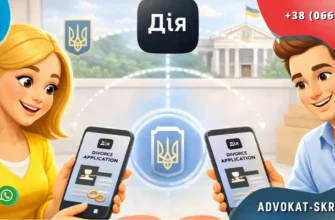
The first question is where the divorce should be filed. In Ukraine, the procedure depends mainly on whether the spouses have minor children and whether both spouses agree to divorce. The civil registry office is usually used when both spouses agree to divorce and do not have minor children together. This procedure is simpler, but it requires proper participation of both spouses or correctly prepared documents if one spouse cannot appear personally.
Court divorce is required when the spouses have minor children, when one spouse does not consent, avoids communication, is abroad, is at the front, or when a joint application is impossible. Court procedure for divorce in Ukraine allows one spouse to start the process independently.
During martial law, the court route is often the most practical. It gives the applicant a legal way to move forward even if the other spouse is passive, unavailable, or deliberately delaying the divorce.
Important: divorce is not the same as division of property, child custody, or alimony. These issues may be considered separately or together depending on strategy. In many cases, it is better to keep the divorce claim focused so the marriage can be terminated faster.
How to File for Divorce Online during Martial Law
To file for divorce online during martial law, the first step is to determine the correct procedure: civil registry office or court. After that, the documents must be prepared according to the legal grounds, place of residence of the parties, and availability of proof.
Online divorce in Ukraine usually means that the client communicates with a lawyer remotely, provides scanned documents, signs necessary papers electronically or physically when required, and receives legal support without visiting the office. If the case goes to court, the lawyer may prepare the claim, evidence, petitions, and procedural documents.
A lawyer may also represent the client’s interests in court. The lawyer represents the client on the basis of a legal assistance agreement, which may be concluded online. A power of attorney is not required for this.
This is important for Ukrainian citizens living abroad. A person may be in Poland, Germany, the Czech Republic, the United States, Canada, or another country and still need to dissolve a marriage registered in Ukraine. In many cases, the legal process can be organized remotely.
Divorce through the Electronic Court in Ukraine
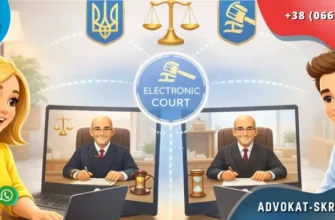
Electronic court divorce Ukraine is a practical option when documents can be submitted through the official Electronic Court system. This system allows procedural documents to be filed electronically and helps reduce the need for physical visits.
However, the Electronic Court is not just “uploading a document.” The claim must be legally correct, the court must be chosen properly, the documents must be attached in a suitable format, and the applicant must monitor court notices and procedural deadlines.
The Electronic Court may be especially useful during wartime when people are displaced, live abroad, or cannot safely travel to the court. Remote filing through the Electronic Court can simplify communication, but it does not remove the need for a properly prepared divorce claim.
If the court requires additional information, corrections, payment confirmation, or clarification of jurisdiction, the case may be delayed. That is why online filing should be prepared carefully from the beginning.
What Documents Are Required for Divorce during Wartime
The required documents depend on whether the divorce is filed through the civil registry office or through court. In a court case, the basic package usually includes identification documents, marriage certificate, information about children if any, proof of residence or location of the parties where relevant, and documents confirming payment of court fees if applicable.
If a person is abroad, additional steps may be needed. Foreign documents may require translation into Ukrainian, and in some cases legalization or apostille may be necessary. The exact requirement depends on the country, document type, and how the document will be used in Ukraine.
If the original marriage certificate is lost, it may be possible to obtain a duplicate or extract from the civil registry records. This is common during wartime because many people left documents at home, lost access to archives, or moved abroad urgently.
For divorce without personal appearance, documents should also confirm why remote participation or representation is needed. The legal position must be clear: the person wants to dissolve the marriage, understands the consequences, and asks the court to consider the case according to procedural rules.
Divorce during Martial Law If You Have Children
If spouses have minor children, divorce usually goes through court. The presence of children does not prohibit divorce, but it changes the procedure because the court must consider whether the marriage should be dissolved legally and whether the procedural rights of the parties are respected.
A divorce case with children does not always mean a dispute about custody, residence, or alimony. If the only claim is divorce, the court may consider only termination of marriage. Issues concerning child support, place of residence of the child, communication with the other parent, and parental participation may be filed separately if needed.
During martial law, child-related circumstances often become more sensitive. One parent may be abroad with the child, one parent may serve in the Armed Forces, or communication between parents may be broken. These facts should be described calmly and legally, without emotional accusations that do not help the case.
For an online divorce during martial law, it is important to prepare documents so the court understands the family situation, the existence of children, and the applicant’s clear intention to terminate the marriage. If the case involves minors, divorce with children in Ukraine should be prepared with special attention to documents and procedural details.
Divorce If One Spouse Is Abroad, at the Front or Missing
Divorce if spouse is abroad is one of the most common wartime situations. A spouse’s relocation to another country does not prevent divorce in Ukraine. The key issue is how to notify the other party, how to confirm addresses or available contact information, and how to choose the correct court.
If one spouse is at the front, divorce is also possible. Military service does not automatically block the right of the other spouse to file for divorce. At the same time, the court may pay attention to proper notification, the person’s ability to participate, and whether procedural rights are respected.
If the spouse is missing, does not communicate, or the applicant does not know the current address, the case requires careful preparation. The court may request additional information or require clarification of the defendant’s location. Incorrect or incomplete information may delay the opening or consideration of the case.
In such situations, the assistance of a family lawyer for divorce in Ukraine is important because jurisdiction, evidence, notices, and procedural wording may determine whether the case moves forward or gets delayed. When the other spouse is outside Ukraine, divorce with a spouse abroad requires careful verification of notification and jurisdiction.
Can You Get Divorced without Appearing in Court
Divorce without personal appearance may be possible in many court cases. A person may ask the court to consider the case without their attendance, submit written explanations, or act through a lawyer.
This is especially relevant during martial law. People may be abroad, displaced, caring for children, serving, working, or unable to travel because of safety issues. Ukrainian civil procedure allows written participation and representation when documents are prepared correctly.
However, “without appearance” does not mean “without documents.” The court still needs a properly drafted claim, evidence, procedural applications, and confirmation that the applicant’s position is clear.
If the case is handled by a lawyer, the client does not need to attend every procedural step personally. Divorce without personal presence may be organized through written applications, online communication, and legal representation.
How Long Does Divorce during Martial Law Take
The duration of divorce during martial law depends on the procedure, the court workload, proper notification of the other spouse, the availability of documents, and whether the case contains additional disputes.
A civil registry office divorce usually has a fixed waiting period when both spouses apply properly and there are no minor children. A court divorce may take longer because the court must open proceedings, notify the defendant, consider the materials, and issue a decision.
Wartime factors may influence timing. Delays may happen if the court is overloaded, if the defendant is abroad or at an unknown address, if documents are incomplete, or if the claim is filed in the wrong court.
The fastest practical strategy is not to overload the divorce case with unnecessary disputes. If the main goal is to terminate the marriage, property division, alimony, or child-related claims may sometimes be handled separately.
How Much Does Divorce during Martial Law Cost
The cost of divorce during martial law depends on the procedure, document situation, court fee, legal assistance, translations, and whether the person needs full representation or only document preparation.
If the case is simple, the main expenses may include state or court payments and preparation of documents. If one spouse is abroad, missing, at the front, or there are children, the legal work may be more complex.
It is better not to rely on old figures from articles or forums because official payments and practical costs may change. Before filing, the amount of the court fee and the required payment details should be checked according to the current rules and the selected court.
Legal assistance is not only about writing a claim. It also includes checking jurisdiction, preparing petitions, avoiding procedural mistakes, communicating with the court, and helping the client complete the divorce remotely. Before starting the case, it is reasonable to clarify divorce expenses in Ukraine based on the specific procedure and documents.
Common Mistakes When Filing for Divorce during Wartime
One common mistake is choosing the wrong procedure. Some people try to apply through the civil registry office when their case must go to court because they have children or no mutual consent.
Another mistake is filing in the wrong court. During martial law, addresses, relocation, and temporary occupation may make jurisdiction more complicated. If jurisdiction is not checked, the case may be delayed or returned.
People also often submit incomplete documents, use emotional wording instead of legal arguments, or include too many unrelated demands in one claim. This can slow the case and make the process harder.
A serious mistake is ignoring court notices after filing. Even if divorce is filed online, the applicant must monitor the case, respond to court requests, and provide additional documents when required.
Why Hire a Family Lawyer for an Online Divorce
Although Ukrainian law allows individuals to file for divorce on their own, many people discover that the most difficult part is not completing the application but choosing the correct legal procedure. Divorce during martial law in Ukraine often involves issues of jurisdiction, military service, relocation abroad, unavailable spouses, electronic filing, or court correspondence. A mistake at the beginning of the case may significantly delay the entire process.
A family lawyer for divorce in Ukraine helps assess the circumstances before documents are filed. This includes determining the proper court, checking whether additional evidence is needed, preparing procedural documents correctly, and reducing the risk of the claim being returned or left without movement by the court.
Professional legal assistance is especially valuable when one spouse lives abroad, serves in the Armed Forces of Ukraine, cannot be contacted, or refuses to participate in the proceedings. In these situations, every procedural step should comply with Ukrainian legislation and court practice.
A lawyer represents the client’s interests on the basis of a legal assistance agreement, which may be concluded online. A power of attorney is not required for this. The Online Divorce Service provides remote legal support for Ukrainian citizens living both in Ukraine and abroad. Clients can receive consultations, prepare documents, communicate with a lawyer remotely, and complete most stages of the procedure without visiting an office.
Step-by-Step Guide to Divorce during Martial Law
If you are planning a divorce during martial law, following the correct sequence of actions helps avoid unnecessary delays and procedural mistakes.
- Determine which procedure applies to your situation. Identify whether your marriage may be dissolved through the Civil Registry Office or whether divorce through court in Ukraine is legally required.
- Collect the necessary documents. Prepare identification documents, marriage certificate, information about children if applicable, and any additional documents required for your individual circumstances.
- Prepare the divorce application. The application should clearly explain the legal grounds for dissolving the marriage and comply with Ukrainian procedural requirements.
- File the documents. Depending on your case, documents may be submitted to the competent court, including through the Electronic Court system where available, or to the Civil Registry Office.
- Follow the proceedings. Monitor court notifications, respond to requests for additional documents if necessary, and comply with procedural deadlines throughout the case.
- Receive the final decision. After the court decision becomes legally effective or after completion of the Civil Registry procedure, the marriage is officially dissolved under Ukrainian law.
Useful materials on the site advokat-skriabin.com
- Legalization of documents for Georgia
- Legalization of documents for Italy
- Legalization of documents for Spain
- Legalization of documents for the Czech Republic
- Legalization of documents for Poland
- Legalization of documents for Germany
- Legal assistance in divorce for the defendant
- Obtain a birth certificate
- Obtain a marriage certificate
- Obtain a divorce certificate