- Can You Get Divorced During Wartime in Ukraine
- How Divorce During Wartime in Ukraine Works
- Online Divorce During Wartime: Is It Possible
- Divorce Through Court During Martial Law
- How to File for Divorce Remotely Without Personal Attendance
- Divorce If One Spouse Is Serving in the Military
- Divorce During Wartime When One Spouse Is Abroad
- Divorce With Children During Martial Law
- Required Documents for Divorce During Wartime
- Can You Use the Electronic Court System for Divorce
- How Long Does Divorce During Wartime Take
- Divorce Without the Other Spouse’s Consent
- Common Challenges in Wartime Divorce Cases
- How a Family Lawyer Can Help With Remote Divorce
- Step-by-Step Guide to Filing for Divorce During Wartime


Can You Get Divorced During Wartime in Ukraine
Divorce during wartime in Ukraine is legally possible. Martial law does not cancel the right of spouses to end a marriage, apply to court, protect family rights, or resolve issues connected with children, residence, alimony, or communication with the other spouse. The war may affect timing, communication, access to documents, and court workload, but it does not automatically block the divorce process.
For many people, the key question is not whether divorce is allowed, but how to get divorced during wartime when one spouse is in another city, abroad, in the military, displaced, or refuses to communicate. In such situations, the procedure must be chosen carefully. Some cases may be simple, while others require court filing, electronic communication, or representation by a family lawyer.
The Service for Online Divorce can help assess which option is suitable: divorce through court in Ukraine, remote divorce in Ukraine, or preparation of documents for filing without personal attendance. This is especially important when the client cannot travel, does not want direct contact with the other spouse, or needs the process to be handled calmly and legally.
How Divorce During Wartime in Ukraine Works
Divorce during wartime in Ukraine generally follows the same legal logic as in peacetime. If the spouses have no minor children and both agree to divorce, termination of marriage may be possible through the civil registry office. If there are minor children, no consent from the other spouse, a dispute, or one spouse cannot participate normally, the case usually goes through court.
Divorce under martial law in Ukraine often requires more practical planning. A person may need to confirm address information, prepare scanned documents, communicate with the court electronically, or arrange representation. The court examines whether the marriage has actually broken down and whether continuing it would contradict the interests of one or both spouses.
The main mistake is waiting until the war ends. If the family relationship has already ended, the law does not require the spouses to remain married only because martial law continues. A properly prepared claim can be filed, and the case can move forward even if the applicant lives abroad or cannot appear personally.
Online Divorce During Wartime: Is It Possible
Online divorce during wartime is possible in a practical sense when documents are prepared remotely, communication is handled online, and the case is filed or supported through electronic tools where available. However, “online divorce” does not mean that the marriage is ended by simply pressing a button on a website. The legal result still comes from the competent authority: the civil registry office or the court.
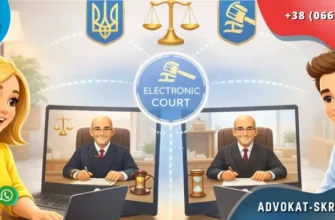
For court cases, electronic tools may help submit procedural documents, receive court notices, and track the case. The Electronic Court system can be useful, but technical availability and court practice may differ depending on the specific court, region, and procedural situation. Therefore, online divorce during wartime should be treated as a remote legal process, not as an informal online form.
In practice, the client can send documents electronically to a lawyer, sign the agreement for legal assistance online, receive prepared documents, and avoid personal attendance if the case allows it. This format is especially useful for people living abroad, internally displaced persons, parents caring for children, and spouses who do not want direct contact during a conflict.
Divorce Through Court During Martial Law
Divorce through court in Ukraine is usually required when the spouses have minor children or when one spouse does not agree to divorce. The court may also be necessary when the other spouse is abroad, missing from communication, serving in the military, or avoiding contact. In these cases, the court process gives the applicant a legal way to move forward.
Martial law may influence court scheduling, delivery of notices, and the speed of case review. Some courts work under additional pressure, especially if they have changed territorial jurisdiction or face security risks. Still, access to justice remains available, and divorce cases continue to be considered by Ukrainian courts.
The court does not force a person to remain in a marriage that has lost its real meaning. The applicant should explain that family life has ended, reconciliation is impossible, and preserving the marriage contradicts personal interests. If children are involved, the court may also consider whether the divorce affects their rights, although the divorce itself is separate from disputes about alimony or residence.
How to File for Divorce Remotely Without Personal Attendance
Divorce without personal attendance is one of the most important options during wartime. A person may be abroad, in another Ukrainian city, caring for children, unable to travel due to safety risks, or simply unwilling to meet the other spouse. In many court cases, the applicant can act through a lawyer and avoid appearing in person.
A lawyer may prepare the claim, supporting documents, applications, and procedural explanations. If representation is used, the lawyer communicates with the court and monitors the case. A personal visit to Ukraine is not always required, especially when the documents are properly prepared and the court has enough information to consider the case. Important legal point: A lawyer represents the client’s interests on the basis of a legal assistance agreement, which may be concluded online. A power of attorney is not required for this.
Divorce If One Spouse Is Serving in the Military
Divorce with a military spouse is possible, but such cases require careful and respectful handling. Military service does not automatically prevent divorce. At the same time, the court may need correct information about the spouse’s address, communication possibilities, and whether proper notice can be sent.
If the military spouse agrees to divorce, the case may be less complicated. If there is no consent or communication is difficult, the applicant should avoid emotional accusations and focus on legally relevant facts: the marriage has ended, joint family life is no longer maintained, and reconciliation is impossible.
The fact that one spouse serves in the Armed Forces or another military formation may affect practical timing, but it does not cancel the other spouse’s right to seek divorce. In some cases, additional procedural patience is needed because notice and communication can take longer.
Divorce During Wartime When One Spouse Is Abroad
Divorce if spouse is abroad is a common wartime situation. Many Ukrainian families were separated because of evacuation, work, displacement, or security reasons. If one spouse lives outside Ukraine and the marriage has effectively ended, the divorce can often still be handled through Ukrainian legal procedures.
The main issue is not the physical location of the spouse, but whether the court can determine jurisdiction, notify the parties, and review the documents. If the applicant is abroad, remote divorce in Ukraine may be organized through electronic communication and legal representation. If the respondent is abroad, the claim must be prepared with attention to known addresses and proof of circumstances.
When documents were issued abroad, translation into Ukrainian may be needed. If foreign documents are used in the case, they may require legalization or apostille depending on the country and the type of document. This should be checked before filing so that the court does not leave the claim without movement.
Divorce With Children During Martial Law
Divorce with children during wartime usually takes place through court. The presence of minor children does not block divorce, but it changes the procedure. The court must understand that the divorce itself does not violate the children’s rights and that the parents can continue fulfilling their parental duties after the marriage ends.
A divorce case is not always the same as a dispute about children. If the spouses do not argue about residence, communication, or alimony, the court may consider only the termination of marriage. If there are disputes, they may be addressed separately or together depending on the legal strategy.
During wartime, courts and lawyers often pay special attention to the child’s actual place of residence, safety, schooling, medical needs, and contact with each parent. A calm and well-structured claim helps avoid unnecessary conflict and keeps the focus on the legal issue: the marriage has ended and should be formally terminated.
Required Documents for Divorce During Wartime
Required documents for divorce during wartime depend on the type of procedure. In a court case, the basic documents usually include a passport or identity information, tax number if available, marriage certificate, birth certificates of minor children if any, and information about the other spouse’s address or known location.
If the applicant is abroad, scanned copies may be used for initial preparation, but the final format depends on the court and the way of filing. If documents are lost, damaged, left in occupied territory, or unavailable, duplicates or official extracts may be needed. This is a common wartime problem and should be solved before filing where possible.
It is better not to submit a weak or incomplete package of documents. If the claim lacks important information, the court may delay movement of the case and request corrections. Careful preparation saves time and reduces stress, especially when the person wants divorce without personal attendance.
Can You Use the Electronic Court System for Divorce
The electronic court divorce Ukraine option may be available for filing and exchanging procedural documents. The Electronic Court system is designed to support communication with courts and can be useful in civil cases, including family cases. It may help when a person is abroad or cannot visit the court physically.
At the same time, the use of the Electronic Court depends on technical access, proper registration, electronic signature, court practice, and the specific documents involved. Some situations may still require paper documents, certified copies, or additional procedural steps. Therefore, it is important to check the practical route before relying only on electronic filing.
For many clients, the best approach is a mixed model: legal analysis and document preparation online, use of electronic court tools where appropriate, and lawyer support for communication with the court. This approach gives flexibility and reduces the risk that the case will stop because of technical issues.
How Long Does Divorce During Wartime Take
The duration of divorce during wartime depends on the procedure, the court’s workload, whether the other spouse participates, and whether all documents are properly prepared. Where divorce through the civil registry office is available, the standard waiting period is one month. Court divorce can take longer, especially if notice is complicated or the respondent avoids communication.
In court, wartime factors may affect scheduling. Air alerts, relocation of courts, security issues, and workload can cause delays. However, many divorce cases still move forward normally when the claim is clear, the documents are complete, and the applicant does not create unnecessary procedural disputes.
A realistic expectation is important. A lawyer cannot honestly guarantee an exact court date or final date of divorce, but can reduce avoidable delays by preparing the claim correctly, choosing proper jurisdiction, tracking court notices, and responding quickly to procedural requests.
Divorce Without the Other Spouse’s Consent
Divorce without the other spouse’s consent is possible through court. Ukrainian law does not require a person to remain married only because the other spouse refuses to sign papers, ignores messages, or emotionally pressures the applicant. If the marriage has effectively ended, the court can consider the case.
The lack of consent may make the process longer, but it does not make divorce impossible. The court may give time for reconciliation in some situations, but if the applicant consistently explains that family life has ended and reconciliation is not realistic, the court can terminate the marriage.
In wartime, refusal to communicate is common. One spouse may be abroad, in the military, displaced, or simply avoiding contact. The applicant should not rely on verbal promises. It is safer to prepare a proper court claim and use the legal procedure instead of waiting indefinitely.
Common Challenges in Wartime Divorce Cases
Common challenges in wartime divorce cases include lost documents, unknown address of the other spouse, residence abroad, lack of communication, military service, disputes about children, and technical issues with electronic filing. These problems do not automatically block divorce, but each of them requires a correct procedural response.
Another challenge is emotional pressure. Divorce during war often happens when people are already exhausted by uncertainty, relocation, financial pressure, or family conflict. A person may delay filing because they feel guilty, afraid, or unsure whether the court will work during martial law.
The practical solution is to separate emotions from the legal process. The court needs clear facts and documents. A strong claim should explain why the marriage cannot continue, provide available evidence, and avoid unnecessary accusations that do not help the legal result.
How a Family Lawyer Can Help With Remote Divorce
A family lawyer can help choose the correct procedure, prepare the claim, check documents, determine jurisdiction, communicate with the court, and support divorce without personal attendance. This is especially useful when the applicant lives abroad, has children, or does not know where the other spouse currently lives.
The Service for Online Divorce may assist with remote divorce in Ukraine by organizing the process online, explaining the legal route, preparing documents, and helping the client avoid unnecessary travel. This format is practical for Ukrainian citizens living in Ukraine and for Ukrainians abroad who need a legally valid divorce in Ukraine.
Legal support is also important when the situation includes children, a military spouse, foreign documents, or lack of consent. A properly prepared case is usually calmer and more predictable than attempts to solve everything through personal negotiations with the other spouse.
Step-by-Step Guide to Filing for Divorce During Wartime
- Determine whether your divorce can be handled through the civil registry office or must go through court. If there are minor children, no consent, or complicated circumstances, court is usually required.
- Collect the documents that confirm identity, marriage, children if any, and the known information about the other spouse. If documents are missing or abroad, check whether duplicates, translations, or legalization are needed.
- Choose the correct court and filing method. Depending on the case, documents may be submitted physically, through a lawyer, or with electronic tools where available.
- Prepare a clear divorce claim. The claim should explain that family life has ended, reconciliation is not realistic, and preserving the marriage contradicts the applicant’s interests.
- File the documents and monitor court notices. During wartime, communication with the court should be checked carefully because delays may happen due to security or technical reasons.
- Respond to court requests on time. If the court asks to correct documents or provide additional information, this should be done quickly to avoid unnecessary delay.
- Receive the court decision after divorce and understand when it becomes final. If no appeal is filed, the decision becomes legally effective after the appeal period expires.
Useful materials on the site advokat-skriabin.com
- Legalization of documents for Georgia
- Legalization of documents for Italy
- Legalization of documents for Spain
- Legalization of documents for the Czech Republic
- Legalization of documents for Poland
- Legalization of documents for Germany
- Legal assistance in divorce for the defendant
- Obtain a birth certificate
- Obtain a marriage certificate
- Obtain a divorce certificate